Where to Buy Unique Graphic Tees: 7 Best Sources for 2026

Table of Contents
Last Updated: October 17, 2026
Where to Buy Unique Graphic Tees: The Short Answer
The best places to buy unique graphic tees fall into three camps: independent artist marketplaces, small print shops producing their own designs, and limited-run brand drops. This guide from AfterLife Print Co. breaks down seven sources worth your time in 2026, plus how to tell original artwork from recycled clip art.
The graphic tee market is flooded with the same dozen designs printed on blanks from the same handful of suppliers. Finding something genuinely yours takes knowing where to look and what to check.
What Separates Unique Graphic Tees From Mass-Produced Copies
Unique graphic tees start with artwork made for the shirt, not pulled from a stock library. The difference shows in line quality, color choices, and whether the design actually fits the garment.
Don't judge a tee by its thumbnail. Zoom in: mass-produced graphics often show pixelation at the edges, banded gradients, or colors that look off from the product photo.
How to Spot Original Artwork vs. Recycled Designs
Run every design through a quick reverse image search. If the same graphic appears on five different storefronts under five different names, it's stock art, not original work.
Look for artist credit. Independent shops name their designers. They show process shots, sketch versions, or behind-the-scenes posts. Mass producers rarely do.
Pro Tip Check the product description for design story language. Shops selling original work usually explain the concept, the inspiration, or the artist. If the description only lists colors and sizes, the design likely came from a template library.
Independent Artist Graphic Tees: Where Original Work Lives
Independent artist graphic tees are the fastest route to something nobody else is wearing.
These platforms vary wildly in quality control: some curate heavily and reject weak submissions, others accept anything. Read the shop's about page and look for a submission review process.
Expect smaller runs from independent artists. Limited production means less chance of seeing your shirt on a stranger at the same concert.
How to Judge High-Quality Graphic T-Shirts Before You Buy
High-quality graphic T-shirts share three traits: a print that survives repeated washing, fabric heavy enough to hold its shape, and sizing that matches the stated chart.

Start with the print method on the product page, then check fabric weight (in ounces per square yard or grams per square meter), then compare the size chart against a shirt you already own and love.
Print Methods and How They Hold Up in the Wash
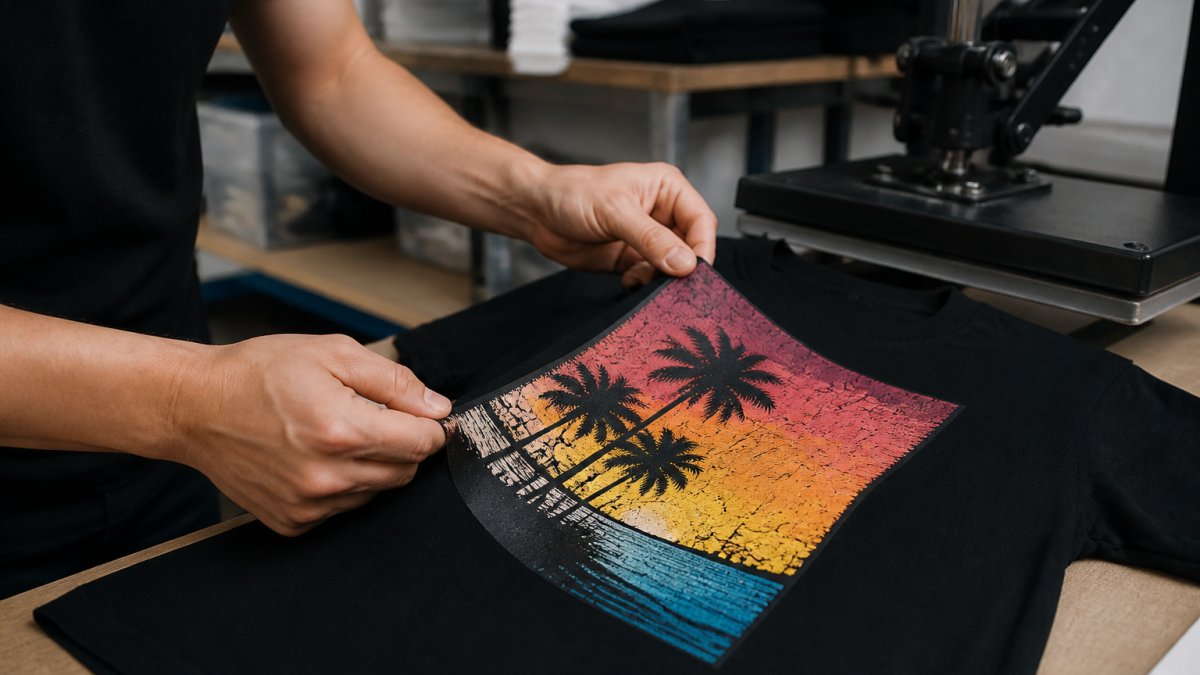
Direct-to-film (DTF) printing transfers a printed film onto fabric, producing vivid color and fine detail on light and dark shirts. Screen printing pushes ink through a mesh and suits bold, simple designs in larger batches. Direct-to-garment (DGT) sprays ink directly onto fabric and handles complex gradients well.
Wash all three inside out in cold water and skip the dryer's high heat. Heat is what cracks prints, not water.
Fabric Weight, Fit, and Sizing Ranges That Matter
Lightweight shirts under about 4.5 ounces feel thin and drape loosely. Mid-weight fabric around 5 to 6 ounces holds structure for most casual wear. Heavyweight options above 6 ounces feel substantial and resist stretching.
Sizing ranges tell you how serious a shop is about fit. XS through 4XL with a real per-size measurement chart is doing the work; S-XL with no measurements is guessing.
What to Check | Why It Matters | Red Flag |
Print method | Determines durability and detail | Method not listed anywhere |
Fabric weight | Affects drape, shape retention | No weight given |
Size range | Signals fit commitment | No measurement chart |
Wash instructions | Protects the print | None provided |
Artist credit | Confirms original design | No designer named |
Vintage Graphic Tees: Real Throwbacks vs. Faded Fakes
Vintage graphic tees come in two flavors: genuine older pieces with real wear history, and modern shirts printed to look aged.
Authentic vintage pieces show honest wear: softened fabric, slight collar stretching, maybe a tag from a defunct brand.
For band tees and music graphics, ask about the copyright tag and print date. Reputable vintage sellers photograph tags and seams.
Watch Out Beware listings that call a shirt "vintage" without showing the tag, the back print, or any wear detail. Reproduction shirts marketed as originals are one of the most common complaints in resale apparel, and returns get complicated once a seller claims the item was as described.
Price, Shipping, Returns, and Size Ranges Compared
Here's how the source types stack up on the details that actually affect your decision. Treat the ranges below as planning bands, not quotes, confirm current numbers on each shop's policy page before checkout.
Source Type | Typical Tee Price Band | Size Range | Return Window Norm | Who Pays Return Shipping | Shipping Speed |
Independent artist shops | $28-$45 | Often XS-4XL | 14-30 days | Usually buyer | 3-7 business days |
Small print studios | $25-$40 | Usually S-3XL | 14-30 days | Often shop for defects | 2-5 business days |
Limited-run brand drops | $35-$60 | Often limited sizes | 7-14 days, short windows | Buyer | Depends on drop schedule |
Artist marketplaces | $20-$50 | Broad | Platform-mediated, 14-30 days | Varies by seller | Varies by seller |
Vintage resellers | $40-$150+ for true vintage | One-of-a-kind | Often final sale | N/A | 3-10 business days |
Print-on-demand shops | $18-$30 | Broad | Replacement-focused, 14-30 days | Shop for defects | 5-10 business days |
Local screen printers | $20-$35 (batch pricing lower) | Custom | Case-by-case | Case-by-case | Depends on batch |
The Three Questions That Decide the Purchase
Ask these before you enter card details. A shop that answers all three clearly is worth your money; one that dodges any is telling you something.
What's the return window, and does it start at delivery or at order? A 30-day window that starts at order can shrink to two weeks by the time the shirt arrives. Ask for the start date in writing.
Who pays return shipping, and is it flat-rate or deducted from the refund? Many shops deduct a flat return label fee from the refund rather than charging upfront, factor that into the effective price.
Does the size chart include chest measurements in inches, not just body length? Chest width is the measurement that predicts fit. A chart with only length and sleeve is a guess.
Pro Tip Calculate the true landed cost before comparing shops: tee price + shipping + any return-label fee you'd eat on a size exchange. A $30 tee with $7 shipping and a $6 return fee costs more than a $38 tee with free shipping and free exchanges if you're likely to swap sizes.
Shipping Mechanics Worth Knowing
Free-shipping thresholds are common in the $50-$75 range at small studios. If you're buying one tee, you may pay $5-$9 in shipping; buying two often clears the threshold.
Drop shipping means the shirt ships after the drop closes, not when you order. Read the drop page for the stated ship-by date; a "ships in 2-3 weeks" note is normal for limited runs.
Print-on-demand production adds 2-5 business days before the carrier clock starts, which is why POD orders often land in 7-10 days total.
Size-Range Reality Check
A source offering XS through 4XL with a per-size measurement chart is doing the work. One that lists only S-XL with no measurements is guessing. For unisex tees, a common pattern is that the chest runs about 2 inches wider per size step; for women's-cut tees, the step is often closer to 1.5 inches. Confirm against the shop's own chart rather than assuming.
What to Check | Why It Matters | Red Flag |
Return window start date | Determines real usable time | Window starts at order, not delivery |
Return shipping cost | Changes effective price | Flat fee deducted silently |
Free-shipping threshold | Affects single vs. multi-buy | Threshold buried in policy page |
Ship-by date on drops | Sets expectations | No ship date listed |
Chest measurements per size | Predicts fit | Length-only size chart |
Matching the Source to Your Style, Budget, and Occasion
The right source depends on what you need the shirt to do. Here's a decision framework organized by budget tier, style intent, and occasion, with the trade-offs spelled out.
Start With Your Budget Tier
Budget Tier | Per-Tee Band | Best-Fit Sources | What You Trade Off |
Entry | Under $25 | Print-on-demand shops, sale racks at small studios | Print durability varies; check reviews for cracking |
Core | $25-$40 | Small print studios, independent artist shops | Smaller runs; fewer size restocks |
Premium | $40-$60 | Limited-run drops, curated artist marketplaces | Short windows; strict returns |
Collector | $60+ | True vintage, numbered drops | One-of-a-kind; final sale common |
Pick your tier first, then filter sources by it. A $55 drop tee on an entry-tier budget usually means compromising on fit or return flexibility elsewhere.
Match the Style Intent
Everyday wear with personality: a small print studio that runs its own designs. You get original artwork, consistent quality, and a size range that fits. Prioritize mid-weight fabric (about 5-6 oz) that holds shape through repeated washing.
Statement piece: genuine vintage or a numbered limited drop. One shirt, no duplicates, and a story built in. Accept final-sale terms and inspect tag and seam photos before buying.
Conversation starter / gift: independent artist shops, where you can tell the recipient who made the design. That story is half the gift, ask the shop for a short artist bio you can include.
Match the Occasion
Concert or event: limited-run drops, bought early. Sizes sell out fast when a design ties to a specific moment. Set a calendar reminder for the drop open time; popular sizes (M and L) often clear within hours.
Gift with a deadline: avoid drop-shipped items unless the ship-by date is at least two weeks before the occasion. Print-on-demand adds 2-5 production days; vintage sellers ship on their own schedule. Order from a studio with in-stock inventory if the date is tight.
Work-adjacent casual: mid-weight tee in a darker colorway hides print wear and pairs under a jacket. Favor screen-printed or DTF prints over very fine DTG detail that can fade faster.
Key Takeaway Run the decision in this order: budget tier → style intent → occasion constraint (especially ship-by date). Most bad purchases come from picking the design first and discovering the fit, return policy, or ship date doesn't work afterward.
A Quick Gift-Buying Checklist
Confirm the recipient's chest measurement against the shop's per-size chart, not their usual letter size.
Check the return window and whether exchanges are free, gift recipients often need a different size.
Ask for the artist's name and a one-line design story to include with the gift.
Verify the ship-by date against the occasion with at least a one-week buffer.
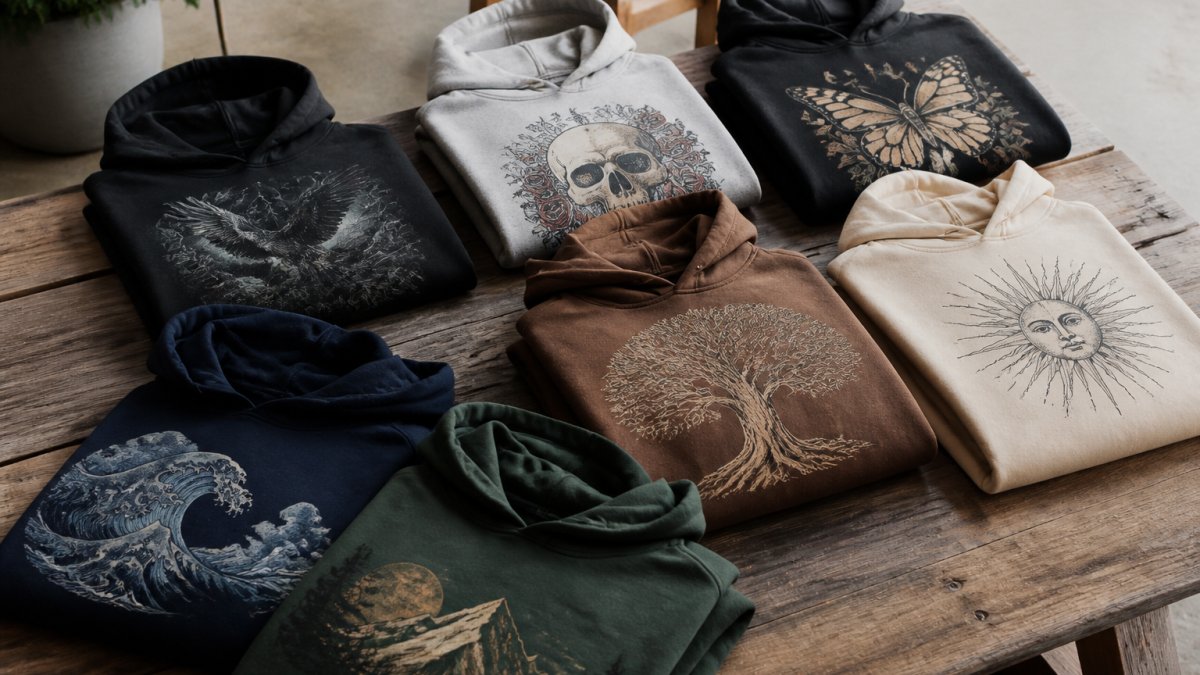
At AfterLife Print Co., we produce DTF graphic apparel. Our collection spans tees, hoodies, and tote bags, with new designs rotating regularly so you're not wearing the same graphic as everyone else. If fit worries you, reach out before ordering and we'll help you match the size chart to a shirt you already own.
Conclusion
The real challenge isn't finding graphic tees. It's finding ones that hold their print, fit properly, and weren't printed from the same stock file as a thousand other shirts.
AfterLife Print Co. builds our catalog around DTF-printed designs, with apparel that stays soft and prints that survive regular washing. Browse our latest arrivals, check the sizing guide, and find a shirt that's actually yours.
Frequently Asked Questions
What should I look for when buying a graphic tee online?
Check four things before you check out: the print method, the fabric weight, the size chart, and the return policy. Print method matters most for longevity. Direct-to-film (DTF) and screen printing both hold up well through repeated washing, while cheap heat transfers tend to crack. Look for fabric listed at 5 oz or heavier for tees that keep their shape. Read the size chart against a shirt you already own rather than guessing, and confirm the return window. If a shop publishes none of this, that silence tells you something about how they handle problems.
Are graphic tees from independent artists worth buying?
Often yes, for two reasons. First, independent artist graphic tees are usually produced in smaller runs, so you are less likely to see your shirt on three other people at the same event. Second, the artist typically gets a real cut, which is why the designs tend to be more distinctive than licensed clip-art collections. The tradeoff is that small shops vary in print quality and shipping speed. Check reviews, look for a stated print method, and confirm the return policy before ordering from a shop you have not used before.
How can I tell if a graphic T-shirt is good quality?
Start with the print: it should sit flush with the fabric and flex without cracking when you stretch it gently. Feel the fabric for weight and density; thin, see-through cotton pills and stretches out fast. Check the seams at the collar and shoulders, since those are the first places a cheap shirt fails. Ask what print method was used, because direct-to-film and screen printing outlast heat transfers. Finally, look at the size range. Shops offering XS to 4XL usually cut their shirts more carefully than shops offering three sizes.
Where can I find high-quality, edgy graphic tees?
Look at three kinds of sources. Independent print shops that run their own designs and publish their print method, artist marketplaces where the designer is named on the product page, and small-batch drops from brands that rotate collections instead of stocking the same design for years. Edgy designs tend to cluster in the independent tier because larger retailers avoid artwork that risks complaints. Ask each shop how often they release new designs. Weekly or monthly drops usually signal a shop doing original work rather than reselling stock graphics.
Comments